
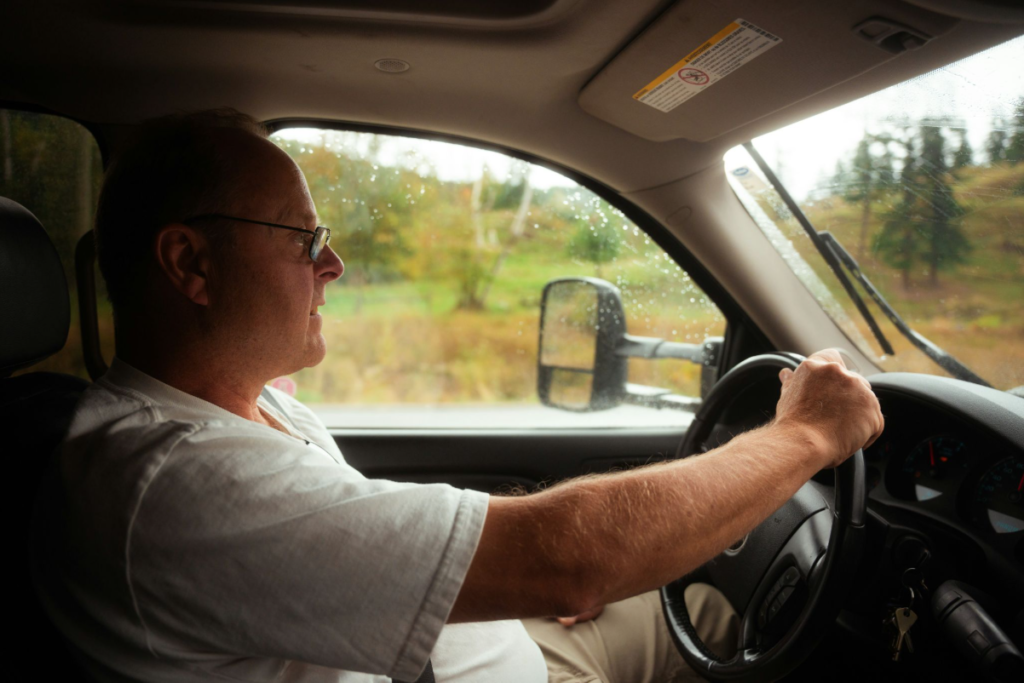
Determining when seniors should stop driving represents one of the most challenging decisions families face as their loved ones age. This conversation touches on fundamental issues of independence, safety, and quality of life that affect millions of older adults nationwide.
The question of when a senior citizen should stop driving doesn’t have a simple answer. Unlike other age-related milestones, driving ability varies dramatically from person to person. Some seniors maintain excellent driving skills well into their 80s and beyond, while others may need to consider alternatives much earlier due to health changes or declining abilities.
Rather than focusing solely on chronological age, the key lies in recognizing specific warning signs that indicate declining driving capabilities. These indicators often develop gradually, making them easy to overlook until a concerning incident occurs. Family members, healthcare providers, and seniors themselves need to understand these warning signs to make informed decisions about driving safety.
The average age at which seniors stop driving varies significantly, but research suggests most people begin experiencing some driving-related challenges in their mid-70s. However, individual circumstances matter far more than statistics when making this personal decision.
Understanding the Complexity of Senior Driving Safety
Senior driving safety involves multiple interconnected factors that extend beyond simple age considerations. Physical health, mental acuity, medication effects, and environmental factors all play significant roles in determining whether someone can continue driving safely.
Many seniors worry about losing their independence when they stop driving. This concern often leads to delayed decisions about driving cessation, even when warning signs become apparent. Understanding that professional evaluation services exist can help families approach this topic more objectively and compassionately.
The decision-making process becomes more manageable when families focus on specific, observable behaviors rather than abstract concerns about aging. Professional driving assessments provide objective measurements of key abilities, removing much of the guesswork and emotional tension from these discussions.
Warning Sign 1: Slower Reaction Times and Response Delays
Declining reaction times are among the most significant safety concerns for senior drivers. As we age, the time between recognizing a hazard and responding appropriately tends to increase, potentially creating dangerous situations on busy roads.
You might notice your senior family member taking longer to respond to changing traffic signals, emergency vehicles, or unexpected situations, such as a child running into the street. These delays can seem minor but may indicate more significant changes in processing speed and motor response.
Physical changes in the nervous system naturally occur with aging, affecting the speed at which information travels from the eyes and ears to the brain and then to the hands and feet. While some slowing is normal, pronounced delays warrant professional evaluation.
Other signs include difficulty keeping up with traffic flow, hesitation at intersections even when the way is clear, or delayed braking responses. These behaviors often become more noticeable during peak traffic hours or in complex driving environments.
Warning Sign 2: Vision Problems and Visual Processing Issues
Declining Visual Acuity and Night Vision
Vision changes significantly impact driving safety and often develop gradually, making them difficult to detect without regular eye examinations. Many seniors adapt to declining vision by avoiding certain driving conditions, but these compensations may not be sufficient for safe vehicle operation.
Night vision typically deteriorates earlier and more noticeably than daytime vision. Seniors may struggle to see clearly in low-light conditions, have difficulty distinguishing objects in shadows, or experience increased sensitivity to oncoming headlights. These changes can make evening or early morning driving particularly hazardous.
Peripheral vision loss is another common concern that affects the ability to detect vehicles, pedestrians, or hazards approaching from the side. This type of vision loss is especially problematic at intersections and during lane changes.
Depth Perception and Visual Processing Challenges
Depth perception problems can make it difficult to judge distances accurately, leading to issues with parking, following distances, or merging into traffic. Seniors might park crooked, leave unusually large gaps between their car and others, or misjudge the speed and distance of approaching vehicles.
Visual processing speed also tends to slow with age, meaning it takes longer to interpret and respond to visual information. This can be particularly problematic in complex driving environments with multiple visual stimuli, such as busy intersections or construction zones.
Regular eye examinations become increasingly important as people age, not just for updating prescriptions but for detecting age-related eye diseases that can significantly impact driving ability.
Warning Sign 3: Cognitive Changes Affecting Driving Skills
Memory and Attention Issues
Cognitive changes can significantly impact driving safety, even when they seem minor in daily life. Memory problems might manifest as forgetting familiar routes, missing turns, or becoming confused about destination locations that were previously well-known.
Attention difficulties can be equally concerning. Seniors might become easily distracted while driving, have trouble focusing on multiple tasks simultaneously, or struggle to maintain concentration during longer trips. These attention issues can lead to missed traffic signals, failure to notice pedestrians, or delayed responses to changing road conditions.
Decision-making speed and accuracy may also decline, making it difficult to respond appropriately to complex traffic situations. Seniors might hesitate too long when merging, make poor judgments about gap acceptance, or become overwhelmed by heavy traffic.
Executive Function and Problem-Solving Challenges
Executive function changes can affect the ability to plan routes, adapt to unexpected situations, or make quick decisions while driving. Seniors might struggle with detours, road construction, or unfamiliar areas more than they did previously.
Problem-solving abilities that were once automatic may require more conscious effort. For example, determining the best response to a stalled vehicle ahead or to an aggressive driver becomes more challenging as executive function declines.
These cognitive changes often develop slowly and may not be immediately obvious to the senior driver or their family members, making professional assessment particularly valuable for objective evaluation.
Warning Sign 4: Physical Limitations and Mobility Issues
Physical changes associated with aging can directly affect a person’s ability to operate a vehicle safely. Arthritis, muscle weakness, reduced flexibility, and chronic pain conditions can all affect driving performance in various ways.
Joint stiffness might make it difficult to turn the steering wheel quickly or check blind spots by turning the head and shoulders. Reduced muscle strength can affect the ability to brake quickly or maintain steady pressure on pedals during extended driving periods.
Flexibility issues often impact the range of motion needed for safe driving. Seniors might have trouble reaching controls, adjusting mirrors, or turning to check for traffic when backing up or changing lanes. These limitations can be particularly problematic in emergency situations requiring quick, coordinated movements.
Chronic conditions like Parkinson’s disease, stroke recovery, or diabetes can create additional physical challenges that affect driving safety. Regular medical evaluations help identify these issues and their potential impact on driving ability.
Warning Sign 5: Medication Side Effects and Multiple Prescriptions
Understanding Medication Impacts on Driving
Medication effects represent an often-overlooked factor in senior driving safety. Many commonly prescribed medications for older adults can cause drowsiness, dizziness, confusion, or slower reaction times, which directly affect driving ability.
Blood pressure medications, sleep aids, pain relievers, antidepressants, and anxiety medications frequently carry warnings about operating vehicles. However, seniors and their families may not fully understand how these medications affect driving performance, especially when taking multiple prescriptions.
The timing of medication doses can also influence driving safety. Some medications cause peak effects within hours of taking them, while others have cumulative effects that build up over time. Understanding these patterns helps in planning safe driving times.
Multiple Medication Interactions
Polypharmacy, or taking multiple medications simultaneously, creates additional complexity for senior drivers. Drug interactions can amplify side effects or create new symptoms that weren’t present when taking medications individually.
Even over-the-counter medications, supplements, and herbal remedies can interact with prescription drugs in ways that affect driving ability. Beal Driving Academy’s evaluation process considers medication effects as part of its assessment, helping families understand how pharmaceutical factors contribute to overall driving safety.
Regular medication reviews with healthcare providers become essential for maintaining driving safety, particularly when starting new prescriptions or adjusting dosages of existing medications.
Warning Sign 6: Increased Accident Frequency and Near Misses
Recognizing Patterns in Driving Incidents
An increase in fender-benders, near misses, or traffic violations often signals declining driving ability. While everyone experiences occasional driving incidents, patterns of increased frequency warrant serious attention and professional evaluation.
Minor parking lot accidents, scrapes on garage doors, or damage to side mirrors might seem insignificant individually, but can indicate problems with spatial awareness, vision, or motor control. These incidents often occur at low speeds, when an alert, capable driver would normally avoid contact.
Near misses can be equally telling, even when no actual contact occurs. Family members might notice stories about “close calls” becoming more frequent, or observe concerning situations when riding as passengers with senior drivers.
Types of Incidents That Raise Concerns
Certain types of accidents are more common among older drivers and may indicate specific areas of declining ability. Intersection accidents often relate to visual processing issues or delayed reaction times. Back injuries often indicate problems with flexibility, vision, or spatial awareness.
Getting lost in familiar areas, running red lights or stop signs, or having difficulty merging onto highways are additional warning signs that suggest when a senior citizen should stop driving conversations need to begin.
Traffic citations for speed violations, failure to yield, or following too closely may also indicate declining driving skills, particularly if they represent a change from previous driving patterns.
Warning Sign 7: Family Concerns and Passenger Anxiety
Family member observations provide valuable insights into senior driving safety. Adult children, spouses, or grandchildren often notice changes in driving behavior before the senior driver recognizes them personally.
Common family concerns include white-knuckle rides, when passengers feel unsafe because of the senior’s driving behavior. Complaints about driving too slowly, making abrupt movements, or seeming confused while driving should be taken seriously.
When multiple family members independently express concerns about a senior’s driving, these observations likely reflect genuine safety issues rather than isolated incidents. Family input becomes particularly valuable when combined with professional driving assessments.
Passengers might also notice that the senior driver seems more stressed, fatigued, or overwhelmed by driving than in the past. These emotional responses can indicate that driving has become more challenging, even if the senior hasn’t verbalized these difficulties.
Warning Sign 8: Avoidance Behaviors and Self-Limiting Driving
Recognizing Unconscious Adaptations
Many seniors begin self-limiting their driving as they unconsciously recognize declining abilities. While these adaptations demonstrate good judgment, they also signal that when seniors should stop driving conversations may be appropriate.
Common self-limiting behaviors include avoiding night driving, driving on highways, or driving in bad weather. Seniors might also stop driving to unfamiliar destinations, limit trips to daylight hours only, or avoid busy traffic periods.
Some seniors stop driving longer distances, ask others to drive for family events, or decline social activities that require driving. While these adaptations can be safety-conscious, they may also indicate that overall driving ability is declining.
When Self-Limitation Becomes Insufficient
Self-imposed driving restrictions work well when seniors accurately assess their limitations and stick to appropriate boundaries. However, problems arise when restrictions are inadequate for the level of impairment or when seniors don’t consistently follow their own rules.
Emergency situations, medical appointments, or unexpected events may force seniors to drive outside their self-imposed limits, creating potentially dangerous situations. Professional evaluation helps determine whether self-limiting strategies are sufficient or whether broader driving cessation is necessary.
The progression from minor restrictions to major limitations often occurs gradually, making it difficult for seniors and families to recognize when professional intervention becomes necessary.
Warning Sign 9: Getting Lost in Familiar Areas
Getting lost in previously familiar areas represents one of the most concerning warning signs for senior drivers. This symptom often indicates cognitive changes that can significantly impact driving safety and may suggest more serious underlying conditions.
When seniors become confused about routes they’ve driven for years, miss familiar exits, or have difficulty finding their way home from routine destinations, these incidents require immediate attention and professional evaluation.
Spatial disorientation while driving can lead to dangerous situations, including driving the wrong way on one-way streets, entering highways at exit ramps, or becoming stranded in unfamiliar areas. These situations create risks for the senior driver and other road users.
Modern GPS technology can help with navigation, but relying heavily on technological aids while driving may create additional distractions and doesn’t address underlying cognitive concerns that affect overall driving safety.
Professional Evaluation: The Key to Objective Assessment
Professional driving evaluations provide objective, thorough assessments of senior driving ability that remove emotion and guesswork from difficult family decisions. These evaluations examine multiple factors simultaneously, providing a complete picture of driving capability.
| Evaluation Component | What It Measures | Why It Matters |
| Vision Testing | Acuity, peripheral vision, depth perception | Critical for hazard detection |
| Reaction Time | Speed of response to stimuli | Essential for emergency situations |
| Cognitive Function | Memory, attention, decision-making | Affects judgment and planning |
| Physical Mobility | Range of motion, strength, coordination | Required for vehicle operation |
Professional assessments also consider how multiple factors interact to affect overall driving safety. For example, mild vision changes combined with slower reaction times might create safety concerns that neither issue would present individually.
The evaluation process typically includes both off-road testing and actual driving assessment with trained instructors. This approach provides comprehensive information about real-world driving ability rather than relying solely on theoretical assessments.
Making the Decision: Timing and Family Involvement
Deciding when a senior citizen should stop driving requires careful consideration of multiple factors, including safety concerns, available alternatives, and individual circumstances. The decision-making process works best when the senior driver is an active participant rather than an imposed authority.
Starting conversations about driving safety early, before serious concerns develop, helps families establish open communication patterns and reduces resistance when actual changes become necessary. Regular family discussions about driving can normalize the topic and make future decisions less traumatic.
Consider these factors when timing driving cessation decisions:
- Severity and progression of warning signs
- Availability of alternative transportation
- Impact on quality of life and independence
- Safety risks to the senior and others
- Professional evaluation recommendations
- Medical provider input
- Family support systems
- Financial considerations for alternatives
The decision often involves compromise and gradual transitions rather than immediate, complete cessation. Professional evaluators can help families develop step-down plans that maintain safety while preserving as much independence as possible.
Alternative Transportation and Maintaining Independence
Successful transitions away from driving require practical alternatives that meet seniors’ transportation needs. Family support, community resources, ride-sharing services, and public transportation all play roles in maintaining independence after driving cessation.
Many communities offer specialized transportation services for seniors, including medical appointment shuttles, grocery shopping services, and social activity transportation. Researching these options before they’re needed helps smooth the transition when driving cessation becomes necessary.
Technology solutions like ride-sharing apps can provide flexible transportation options, though some seniors may need assistance learning to use these services. Family members can help by setting up accounts, teaching usage, or arranging regular transportation schedules.
| Transportation Option | Best For | Considerations |
| Family/Friends | Regular needs, familiar faces | May burden relationships |
| Public Transit | Independent seniors, urban areas | Limited rural availability |
| Senior Shuttles | Medical appointments, shopping | Scheduled routes, advance booking |
| Ride-sharing | Flexible scheduling, various destinations | Technology learning curve |
Planning transportation alternatives in advance reduces anxiety about driving cessation and helps seniors maintain social connections and essential activities.
Take Action: Professional Assessment for Peace of Mind
Making decisions about senior driving safety doesn’t have to be overwhelming or based on guesswork. Professional evaluation provides the objective information families need to make informed choices about this important safety issue.
At Beal Driving Academy, we’ve spent over 50 years helping Maine families address senior driving safety concerns through professional evaluations and personalized assessments. Our trained instructors understand the sensitive nature of these decisions and provide compassionate, thorough evaluations that respect senior independence while prioritizing safety.
Don’t wait for an accident or serious incident to address driving safety concerns. If you’ve noticed any of these warning signs in a senior family member, a professional evaluation can provide peace of mind and clear guidance for your family’s decision-making process. Schedule an assessment today to get the professional guidance your family deserves.