
Learning to drive represents one of life’s biggest milestones, yet the thought of that first driving lesson often fills new students with anxiety and uncertainty. You’re not alone if you find yourself wondering what actually happens during those initial moments behind the wheel or feeling nervous about making mistakes in front of an instructor.
What to expect on your first driving lesson doesn’t have to remain a mystery that fuels your worries. Understanding the process beforehand can transform those pre-lesson jitters into genuine excitement about gaining this important life skill. Most first-time students arrive with similar concerns about vehicle controls, safety procedures, and whether they’ll embarrass themselves.
The key to success lies in proper preparation and knowing exactly what lies ahead. When you understand how to prepare for your first driving lesson and familiarize yourself with the basics to know before your first driving lesson, you’ll walk into that experience with confidence instead of fear. Your instructor expects you to be a beginner and has guided countless nervous students through this exact same process.
Pre-Lesson Mental Preparation
Your mindset plays a huge role in how successfully your first driving lesson unfolds. Many students build up unrealistic expectations, thinking they should somehow know everything instinctively or perform perfectly right away.
Remember that everyone starts as a complete beginner. Even the most confident drivers once sat in your exact position, feeling uncertain about basic vehicle controls. Your instructor has seen hundreds of first-time students and understands that learning takes time.
Set realistic goals for your initial lesson. You won’t be merging onto highways or parallel parking between two cars. Instead, expect to focus on fundamental basics like starting the engine, understanding pedal pressure, and getting comfortable with steering in a safe, controlled environment.

Take deep breaths and remind yourself that mistakes are part of learning. Your instructor is there to guide you safely through each step, not to judge your performance. This supportive environment allows you to focus on absorbing new information rather than worrying about perfection.
Essential Documents and What to Bring
Required Documentation
Proper preparation starts with gathering the necessary paperwork before your lesson begins. You’ll need your learner’s permit or instruction permit, which serves as legal authorization to practice driving under professional supervision.
Bring a valid form of identification, even if your learner’s permit includes your photo. Some driving schools require additional ID verification as part of their safety protocols. Having backup identification prevents any delays or complications.
Don’t forget comfortable, appropriate clothing and footwear. Avoid flip-flops, high heels, or bulky boots that might interfere with pedal operation. Sneakers or flat shoes provide the best feel for the pedals and allow precise control.
Additional Items to Consider
Pack a water bottle to stay hydrated, especially during longer lessons or warm weather. Nervousness can cause dry mouth, and having water available helps you stay comfortable and focused.
Bring any prescription glasses or contact lenses you normally wear. Clear vision is essential for safe driving, and you’ll want to practice with whatever vision correction you’ll use during regular driving.
Consider bringing a small notebook to jot down important tips or reminders your instructor shares. Writing things down helps reinforce learning and gives you reference material for practice between lessons.
Understanding Your Vehicle’s Basic Controls
Before the engine starts, you’ll spend time familiarizing yourself with essential vehicle controls and their locations. This orientation prevents confusion and builds confidence when you begin actual driving.
The three main pedals in automatic vehicles are the accelerator (gas) on the right, the brake in the middle, and sometimes a parking brake pedal on the left. Manual transmissions include a clutch pedal on the far left. Your instructor will demonstrate proper foot positioning and explain how each pedal responds to pressure.
Steering wheel controls include turn signals, windshield wipers, headlights, and cruise control buttons. You’ll learn where everything is located so you can operate these features without taking your eyes off the road. The gear shifter, parking brake, and mirror adjustment controls are equally important to understand.
Dashboard indicators tell you important information about the vehicle’s status. Your instructor will explain warning lights, speedometer, fuel gauge, and other displays you’ll monitor while driving. Understanding these basics prevents confusion when indicators appear during your lesson.
Proper Seating Position and Mirror Adjustment
Establishing Your Driving Position
Correct seating position affects your ability to reach controls comfortably and maintain good visibility. Your instructor will help you adjust the seat height, pedal distance, and backrest angle for optimal control and safety.
Your knees should have a slight bend when pressing pedals fully to the floor. Sitting too close makes steering difficult, while sitting too far away reduces pedal control. The steering wheel should be easily reachable with a slight bend in your arms.
Seat height adjustment ensures clear visibility over the steering wheel and dashboard. You want to see the road clearly without straining your neck or slouching. Proper lumbar support helps you maintain good posture during longer driving sessions.
Mirror Configuration for Maximum Safety
Side mirrors should show a small portion of your vehicle’s side with maximum road coverage. Many new drivers adjust mirrors to see too much of their own car, creating dangerous blind spots they don’t realize exist.
The rearview mirror should frame the entire rear window when you’re seated in your normal driving position. Avoid adjusting mirrors while the vehicle is moving, as this takes attention away from the road ahead.
Your instructor will teach you how mirrors work together to provide nearly complete surrounding visibility. Understanding proper mirror usage prevents accidents and builds good observational habits from the very beginning of your driving education.
Basic Safety Procedures and Rules
Safety protocols form the foundation of every driving lesson and future independent driving. Before moving the vehicle, you’ll learn essential safety checks that become automatic habits with practice.
The pre-driving inspection includes checking mirrors, adjusting seats, fastening seatbelts, and ensuring the parking brake is engaged. Your instructor will demonstrate how to check that the area around the vehicle is clear before starting the engine.
Understanding right-of-way rules prevents confusion at intersections and during lane changes. You’ll learn when to yield, how to identify traffic control devices, and the basic rules governing traffic flow. These fundamentals keep you and other drivers safe.
Emergency procedures like pulling over safely, using hazard lights, and handling unexpected situations are part of your safety education. Knowing how to respond appropriately in various scenarios builds confidence and prepares you for real-world driving challenges.
What Happens During Those First Few Minutes
Initial Instructor Introduction
Your lesson begins with a brief conversation where your instructor explains their teaching style and what you can expect during the session. This introduction helps establish rapport and allows you to voice any specific concerns or questions.
At Beal Driving Academy, instructors understand that first-lesson anxiety is completely normal and take extra time to ensure students feel comfortable and supported. They’ll explain their patient approach and emphasize that learning happens at your own pace.
The instructor will review your learner’s permit, discuss any previous driving experience, and outline the lesson plan. This structured approach helps you understand what’s coming next and reduces uncertainty about the process.
Vehicle Familiarization Process
Before touching any controls, you’ll spend time identifying and locating various vehicle components. Your instructor will point out the accelerator, brake, steering wheel, turn signals, and other essential controls you’ll use during the lesson.
This familiarization process happens while the vehicle is parked and turned off. You’ll practice reaching for different controls, adjusting mirrors, and getting comfortable with the seat position. Taking time with these basics prevents confusion later.

Your instructor will demonstrate proper hand positioning on the steering wheel, foot placement on pedals, and how to smoothly operate various controls. This hands-on orientation builds muscle memory before you begin actual driving practice.
Starting the Engine and Basic Vehicle Operation
The moment you turn the ignition represents a significant milestone in your driving journey. Your instructor will guide you through the engine starting process, explaining each step clearly and allowing plenty of time for questions.
Modern vehicles include safety features that prevent starting unless certain conditions are met. You’ll learn about the parking brake, gear shifter position, and other safety interlocks that protect you and the vehicle during startup.
Once the engine is running, you’ll practice basic operations such as adjusting the climate controls, turning on the lights, and operating the windshield wipers. These tasks help you become comfortable with multitasking while seated in the driver’s position.
Feeling the vehicle’s responses to your inputs marks the beginning of developing driving intuition. Your instructor will explain how the steering wheel, pedals, and other controls affect vehicle movement, building your understanding of cause-and-effect relationships.
Building Confidence Through Practice
Structured Learning Environment
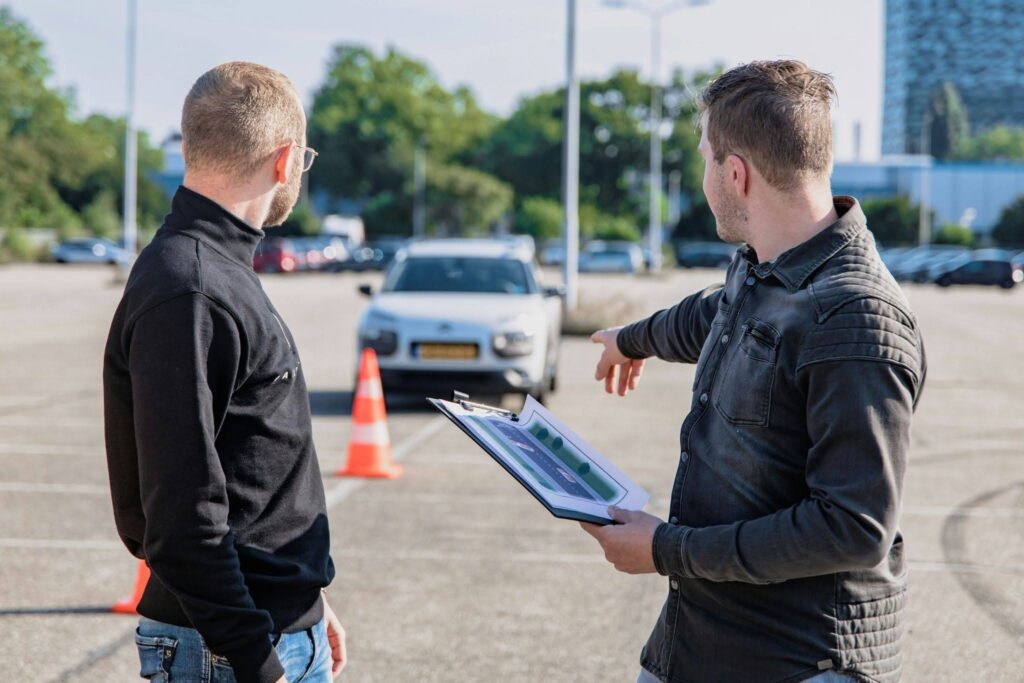
Professional driving instruction follows a logical progression that systematically builds skills. You’ll start with basic vehicle operation in empty parking lots before advancing to residential streets and eventually more complex traffic situations.
Your instructor creates a safe learning environment where mistakes become opportunities for learning rather than sources of embarrassment. This supportive atmosphere encourages questions and helps you develop good driving habits from the beginning.
Beal Driving Academy’s structured 10-hour one-on-one instruction program ensures that each lesson builds upon previous learning. Their experienced instructors know exactly how to pace instruction for maximum skill development and confidence building.
Developing Fundamental Skills
Early lessons focus on basic vehicle control, including steering, acceleration, braking, and parking. You’ll practice these skills repeatedly until they become natural responses rather than conscious actions requiring intense concentration.
Smooth acceleration and braking take practice to master. Your instructor will teach you how to apply gradual pressure to pedals, avoiding jerky movements that make passengers uncomfortable or potentially unsafe.
Steering control develops through practice with various maneuvers, including turns, lane changes, and parking. Starting with wide turns in empty areas, you’ll gradually progress to more precise steering control required for normal driving situations.
Common First Lesson Challenges and Solutions
| Challenge | Why It Happens | Solution |
| Heavy steering | Tensing up from nerves | Relax grip, use smooth movements |
| Jerky acceleration | Pressing pedal too quickly | Practice gradual pressure application |
| Drifting between lanes | Looking down instead of ahead | Focus eyes on distant targets |
| Overcorrecting turns | Lack of experience with steering response | Make smaller steering adjustments |
New drivers commonly experience difficulty judging distances and vehicle positioning. These spatial awareness skills develop naturally with practice and experience. Your instructor will provide reference points and techniques for better positioning.
Coordination between hands and feet feels awkward at first since most daily activities don’t require this specific type of multitasking. Regular practice helps these movements become automatic responses rather than conscious efforts.
Information overload often occurs when students try to remember everything at once. Your instructor will prioritize the most important concepts and introduce new elements gradually to prevent overwhelming cognitive load.
Expectations vs Reality: Setting Realistic Goals
First Lesson Achievements
Realistic first-lesson goals include becoming comfortable with basic vehicle controls, understanding safety procedures, and successfully starting and stopping the vehicle in a controlled environment.
Most students successfully complete basic parking lot maneuvers, including forward and backward movement, gentle turns, and smooth stops. These fundamental skills provide the foundation for more advanced driving techniques in future lessons.
Don’t expect to master complex maneuvers like parallel parking, merging onto a highway, or city driving during your initial lesson. These advanced skills require time and practice to develop safely and confidently.
Managing Performance Expectations
- Focus on understanding rather than perfection
- Celebrate small victories and progress markers
- Accept that learning curves vary between individuals
- Remember that professional drivers needed lessons too
- Trust your instructor’s guidance and experience
Your instructor monitors your progress and adjusts lesson pace accordingly. Some students grasp certain concepts quickly while needing more time with others. This individual variation is completely normal and expected.
Building driving skills resembles learning any complex activity, like playing an instrument or riding a bicycle. Initial awkwardness gives way to smooth, confident operation through consistent practice and proper instruction.
Preparing for Future Lessons
Understanding how to prepare for your first driving lesson extends beyond that initial session. Each lesson builds upon previous learning, so maintaining consistent practice and preparation habits ensures steady progress toward your licensing goals.
Between lessons, review what you learned and mentally rehearse the procedures. While you can’t practice actual driving without proper supervision, visualizing the steps helps reinforce learning and builds confidence for your next session.
Your instructor will provide specific recommendations for areas to focus on between lessons. Some students benefit from studying traffic rules, while others need to work on observational skills or understanding right-of-way concepts.
Keep a positive attitude and remember that everyone learns at their own pace. Some concepts that seem difficult initially will become second nature with practice. Your instructor’s job is to guide you safely through this learning process at a speed that works for you.
Start Your Driving Journey with Confidence
Your first driving lesson marks the beginning of an exciting journey toward independence and freedom. With proper preparation and realistic expectations, this experience becomes an opportunity for growth rather than a source of anxiety.
Professional instruction provides the structured, safe learning environment you need to develop good driving habits from the start. Expert instructors understand exactly how to guide nervous beginners through those crucial first steps behind the wheel.
Ready to take that important first step? Beal Driving Academy’s experienced instructors have been helping Maine students overcome first-lesson jitters for over five decades. Their patient, structured approach ensures you’ll feel prepared and confident from your very first lesson. Start your journey today and discover how proper preparation transforms anxiety into excitement about learning this essential life skill.