
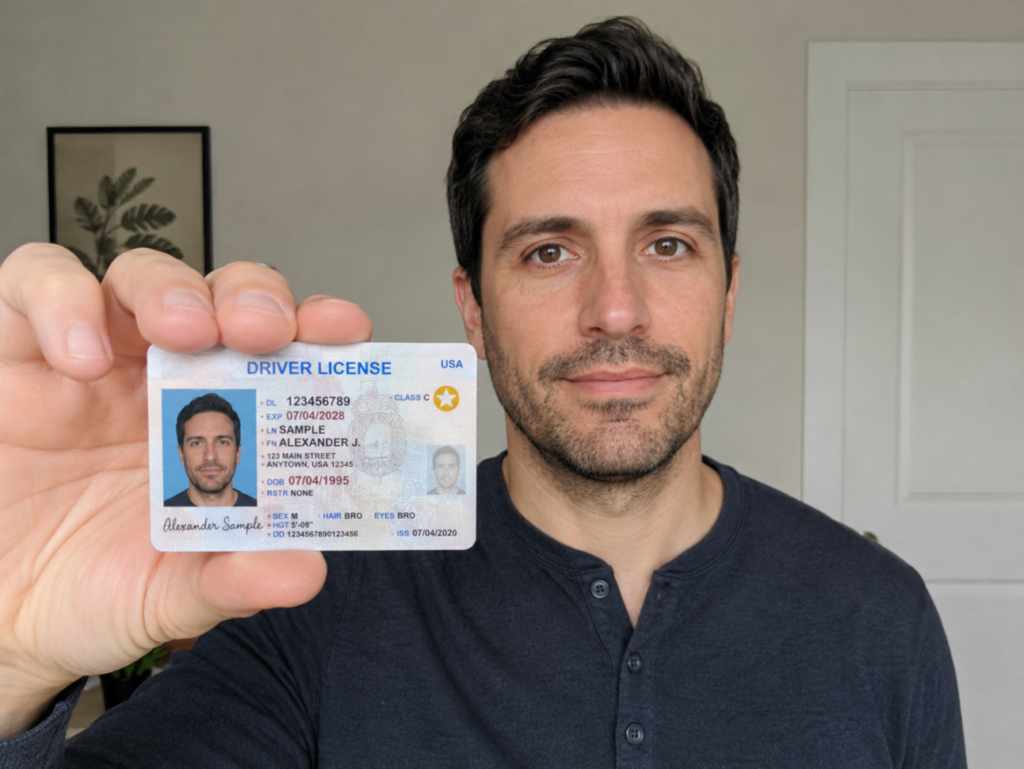
Getting your first driver’s license represents one of the most exciting milestones in any young person’s life. The freedom to drive opens up new opportunities for independence, whether that’s getting to work, attending social events, or simply having the flexibility to go where you need to go.
However, the process of obtaining a driver’s license can feel overwhelming, especially when you’re trying to understand all the requirements, paperwork, and testing procedures involved. Maine has specific regulations and a graduated licensing system that new drivers must follow, and knowing exactly what steps to take can save you time, money, and frustration.
From understanding age requirements and gathering the right documentation to passing your written test and road exam, there are multiple stages involved in getting your Maine driver’s license. Each step has its own requirements and potential pitfalls that can delay your progress if you’re not properly prepared.
The good news is that thousands of Maine residents successfully obtain their licenses every year by following the established process and preparing adequately for each stage of testing.
Understanding Maine’s Graduated Driver Licensing System
Maine operates under a graduated driver licensing system designed to help new drivers gain experience gradually while maintaining road safety. This system includes multiple phases, each with specific requirements and restrictions.
The first phase involves obtaining your learner’s permit, which allows you to practice driving under supervision. You must be at least 15 years old to apply for a learner’s permit in Maine. During this phase, you can only drive when accompanied by a licensed driver who is at least 20 years old and has held their license for at least two years.
After holding your learner’s permit for the required time period and meeting certain conditions, you can advance to the intermediate license phase. This phase comes with fewer restrictions but still includes some limitations designed to protect new drivers during their most vulnerable period on the road.
The final phase is obtaining your full, unrestricted driver’s license. The age at which you can receive this depends on when you started the process and how well you’ve met the requirements at each previous stage.
Age Requirements and Eligibility Criteria
How to get a driver’s license in Maine depends significantly on your age when you begin the process. Maine has established specific age thresholds that determine your eligibility for different types of licenses and permits.
At age 15, you can apply for your learner’s permit after passing the written knowledge test and vision screening. You must hold this permit for at least 70 days before becoming eligible for your intermediate license, provided you meet other requirements.
If you’re 16 years old, you can apply for an intermediate license after holding your learner’s permit for the required period. The intermediate license allows you to drive unsupervised but comes with certain time restrictions and passenger limitations.

At age 18, you become eligible for a full unrestricted license, regardless of how long you’ve held previous permits or licenses. However, you must still pass all required tests and meet the documentation requirements.
For drivers who start the process at 18 or older, Maine allows you to skip the graduated licensing phases and apply directly for a full license, though you still must pass both written and road tests.
Required Documentation and Paperwork
Gathering the correct documentation is essential before visiting your local Bureau of Motor Vehicles office. Getting a driver’s license in Maine requires specific forms of identification and proof of residency that must be current and valid.
You’ll need to provide proof of identity, such as a certified birth certificate, a valid passport, or other approved identification documents. Social Security documentation is also required, such as your Social Security card or a W-2 form showing your full Social Security number.
Proof of Maine residency must be established through two different documents. Acceptable proof includes utility bills, bank statements, lease agreements, or other official mail addressed to you at your Maine residence. These documents must be dated within the past 60 days.
If you’re under 18, you’ll need additional documentation, including parental consent forms. At least one parent or legal guardian must accompany you to the BMV office and provide their own identification to sign the necessary consent paperwork.
For those who have previously held out-of-state licenses, you may need to provide your driving record from your previous state of residence. This helps Maine officials understand your driving history and determine if any restrictions should apply to your new license.
The Written Knowledge Test: What to Expect
The written knowledge test covers Maine traffic laws, road signs, and safe driving practices. This multiple-choice exam typically contains 30 questions, and you must answer at least 24 correctly to pass.
Questions focus on topics such as right-of-way rules, speed limits, parking regulations, and proper procedures for various driving situations. You’ll also encounter questions about road signs, including regulatory signs, warning signs, and guide signs commonly found on Maine roads.
The test includes scenarios about sharing the road with pedestrians, cyclists, and other vehicles. Understanding Maine’s specific laws regarding school buses, emergency vehicles, and construction zones is particularly important.
We at Beal Driving Academy have helped thousands of students prepare for this exam since 1973. Our experience shows that students who study the Maine Driver’s License Study Guide thoroughly and take practice tests typically perform much better than those who attempt the test without adequate preparation.
Preparation materials are available on the Maine Bureau of Motor Vehicles website, and many students find that taking multiple practice tests helps them identify areas that need additional study.
Vision Screening and Medical Requirements
All driver’s license applicants must pass a basic vision screening test administered at the BMV office. This test checks your visual acuity and peripheral vision to ensure you can safely operate a motor vehicle.
The standard vision requirement is 20/40 vision or better, either with or without corrective lenses. If you wear glasses or contact lenses to meet this standard, your license will include a restriction requiring you to wear corrective lenses while driving.
If you cannot meet the 20/40 standard, you may still be eligible for a license with restrictions, depending on the results of additional testing. In some cases, you might be referred to a vision specialist for further evaluation.
Color vision is also assessed, as drivers must be able to distinguish between red, yellow, and green traffic signals. Most people with common forms of color blindness can still pass this requirement.
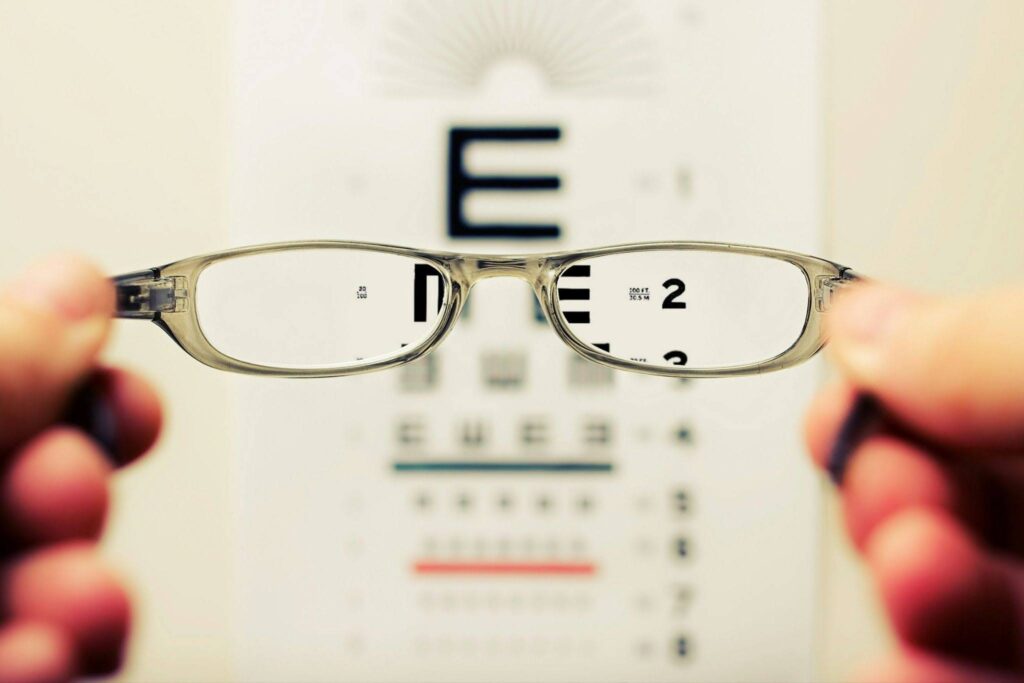
The vision screening is conducted using standard equipment at the BMV office, and the entire process typically takes just a few minutes. If you have concerns about your vision, consider having an eye exam before visiting the BMV to avoid potential delays.
Behind-the-Wheel Road Test Preparation
The road test evaluates your practical driving skills in real traffic conditions. This examination covers multiple areas of driving competency that you must demonstrate to receive your license.
Your examiner will assess your vehicle control skills, including smooth acceleration, proper braking, and accurate steering. You’ll need to show that you can maintain appropriate following distances and position your vehicle correctly within traffic lanes.
Parking skills are a major component of the road test. You’ll likely be asked to demonstrate parallel parking, backing into a parking space, or performing a three-point turn. These maneuvers require practice to perform smoothly under the pressure of testing conditions.
Traffic law compliance is carefully observed throughout the test. This includes complete stops at stop signs, proper yielding procedures, appropriate speed control, and correct signaling for turns and lane changes.
| Road Test Component | Skills Evaluated | Common Mistakes |
| Vehicle Control | Steering, acceleration, braking | Jerky movements, poor speed control |
| Parking Maneuvers | Parallel parking, backing up | Taking too many attempts, hitting curbs |
| Traffic Laws | Stop signs, signals, right-of-way | Rolling stops, improper signaling |
| Observation | Checking mirrors, blind spots | Failing to check before lane changes |
Fees and Payment Information
Understanding the costs associated with getting a driver’s license in Maine helps you budget appropriately for the licensing process. Maine charges separate fees for different types of licenses and services.
The learner’s permit fee is typically $35 and covers the written test and the initial permit issuance. When you’re ready to upgrade to your intermediate or full license, you’ll pay an additional fee for the road test and license issuance.
Road test fees are separate from licensing fees. The behind-the-wheel examination costs $35, and this fee applies whether you pass or need to retake the test. If you don’t pass on your first attempt, you’ll need to pay the road test fee again for each subsequent attempt.
Full license fees vary depending on the length of time for which you’re applying. Maine offers licenses for different durations, and longer-term licenses cost more upfront but may save money over time.
Additional fees may apply for special circumstances, such as replacing lost documents or requiring special testing accommodations. It’s wise to bring extra money beyond the standard fees to cover any unexpected costs.
Common Mistakes to Avoid During the Process
Many new drivers make preventable errors that delay their licensing process. Understanding these common mistakes can save you time and frustration during your licensing journey.
One frequent error is arriving at the BMV without all the required documentation. Double-check that you have every necessary document before making the trip, as missing even one item will likely require you to reschedule your appointment.
Inadequate preparation for the written test causes many applicants to fail their first attempt. Some people underestimate the exam’s difficulty or assume they can pass without studying. Taking practice tests and thoroughly reviewing the study materials greatly improve your chances of passing.
During the road test, nervousness often leads to basic mistakes that candidates know how to avoid under normal circumstances. Practice driving in various conditions and locations to build confidence. The more comfortable you are behind the wheel, the better you’ll perform during the actual test.
Poor vehicle preparation is another common issue. Make sure the car you’ll use for your road test has current registration, valid insurance, and functioning equipment like lights, signals, and mirrors.
Here are key mistakes to avoid:
- Forgetting required documentation
- Inadequate test preparation
- Using an improperly maintained vehicle
- Not practicing specific maneuvers like parallel parking
- Rushing through the process without proper preparation
Scheduling Your Tests and Appointments
Maine’s BMV offices require appointments for road tests, and scheduling in advance is highly recommended, especially during busy periods like the summer months when many teens are seeking licenses.
You can schedule appointments online through the Maine BMV website or by calling your local office directly. Popular times fill up quickly, so plan ahead if you need to test by a specific date.
Written tests are typically available during regular BMV hours without appointments, but calling ahead can confirm current procedures and potentially save waiting time. Some offices experience heavy traffic during certain times of day or week.
When scheduling, consider your preparation timeline. Don’t rush to schedule tests before you’re adequately prepared. It’s better to wait a few extra days or weeks to ensure you’re ready than to fail and need to reschedule.
If you need to cancel or reschedule an appointment, do so as early as possible to avoid fees and to make the slot available for other drivers. Most offices require at least a 24-hour notice for cancellations.
What Happens After You Pass
Once you successfully complete both the written and road tests, you’ll receive your Maine driver’s license. However, understanding the restrictions and responsibilities that come with your new license is important.
Intermediate license holders face specific restrictions designed to protect new drivers during their most vulnerable period. These may include limitations on nighttime driving and restrictions on the number of passengers you can carry.
Your new license will include important information such as any vision restrictions, your license class, and expiration date. Review this information carefully to ensure accuracy, as errors should be corrected immediately.
Understanding Maine’s traffic laws remains important even after receiving your license. Continue following safe driving practices and stay informed about any changes to state regulations that may affect your driving privileges.
New drivers should also understand the consequences of traffic violations. Maine uses a point system for moving violations, and accumulating too many points can result in license suspension, especially for drivers under 21 who face stricter standards.
| License Type | Typical Restrictions | Duration |
| Learner’s Permit | Must be supervised, daylight hours only | Until eligible for next level |
| Intermediate License | Passenger limits, time restrictions | Until age 18 or completion of requirements |
| Full License | No restrictions (unless vision-related) | 6 years (standard renewal period) |
Special Circumstances and Considerations
Some drivers face unique situations that require special attention during the licensing process. Understanding how these circumstances are handled can help you prepare appropriately.
If you have a medical condition that might affect your driving ability, you may need additional documentation from your healthcare provider. Conditions such as diabetes, seizure disorders, or vision problems might require special evaluation or result in license restrictions.
Military families moving to Maine need to understand residency requirements and how to transfer out-of-state licenses. Active duty military members may have different requirements than civilian residents.
International students or workers might face additional documentation requirements to prove their legal presence in the United States. Check with the BMV about specific requirements for your situation.
Drivers with disabilities can request accommodations for both written and road tests. These accommodations are designed to ensure fair testing while maintaining safety standards.
Students attending college in Maine but maintaining residency elsewhere should understand when they need to obtain a Maine license versus when they can continue using their home state license.
Start Your Maine Driver’s License Journey Today
Getting your driver’s license in Maine doesn’t have to be complicated when you understand the process and prepare properly. Following the step-by-step approach outlined in this guide will help you avoid common pitfalls and move efficiently through each phase of the graduated licensing system.
Remember that proper preparation is the key to success. Take time to study for your written test, practice your driving skills, and gather all necessary documentation before visiting the BMV. This preparation will save you time and increase your chances of passing on the first attempt.
At Beal Driving Academy, we’ve guided thousands of Maine drivers through this process since 1973, and we’re here to help you succeed, too. Our expert instructors understand exactly what it takes to prepare for both the written and road tests, and our proven curriculum addresses every aspect of Maine’s licensing requirements. Start your registration today and take the first step toward earning your Maine driver’s license with confidence.